
Recovery & Mobility Notes
Recovery & Mobility Notes
Recovery is not the opposite of training. It is part of the training process. Strong routines are built through effort, but they are supported by rest, mobility, and consistent care for the body.
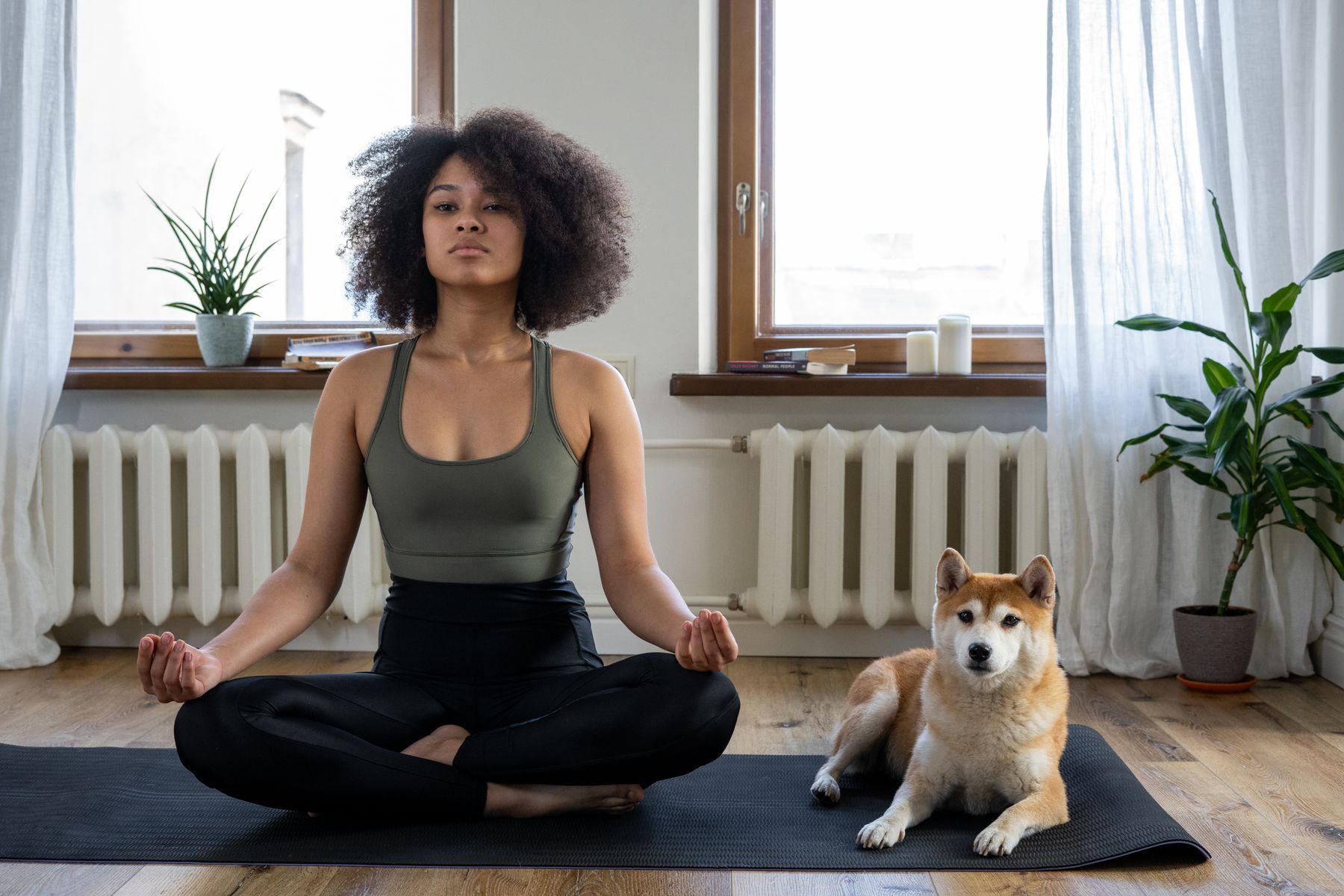
Recovery supports the next session.
When recovery is ignored, workouts can feel heavier, movement can feel restricted, and progress may become harder to maintain.
Mobility work helps your joints move with better control. Unlike quick stretching, mobility focuses on active movement through a comfortable range.
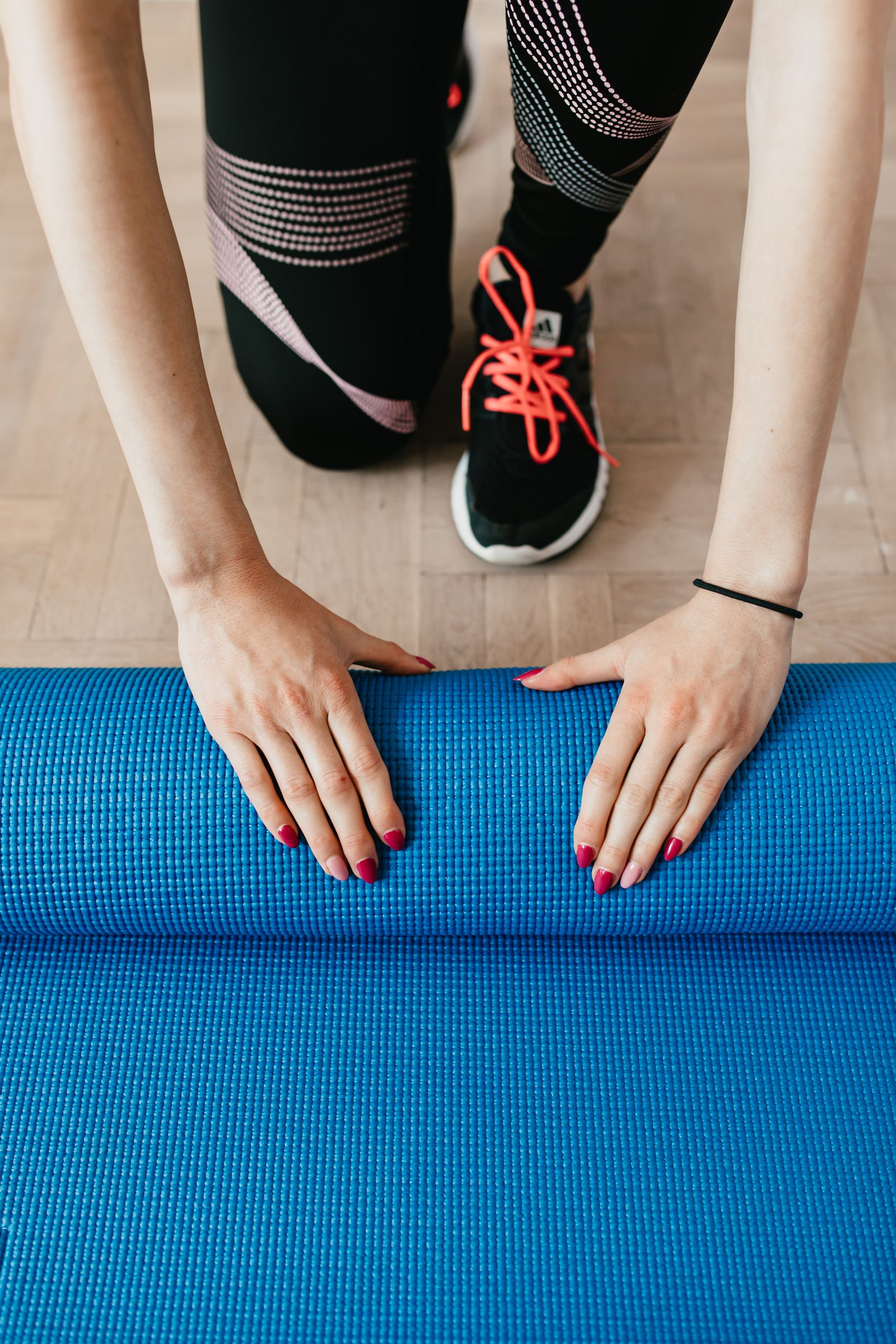
Start Small
Five to ten minutes after a workout can make a difference when done consistently.
Focus Tight Areas
Work on areas that feel tight from training, such as hips after lower-body work or shoulders after pressing.
Use Simple Tools
Foam rollers, massage balls, stretching straps, and mobility bands can make recovery easier to repeat.
Respect Rest
Sleep, hydration, and lighter movement all help the body rebuild after effort.
Recovery gear should be simple to use.
A foam roller can help release general tension in larger muscle groups. A massage ball is useful for smaller areas such as the feet, glutes, or upper back.
Stretching straps and bands can help you move into positions with more control, making a short recovery habit easier to maintain.
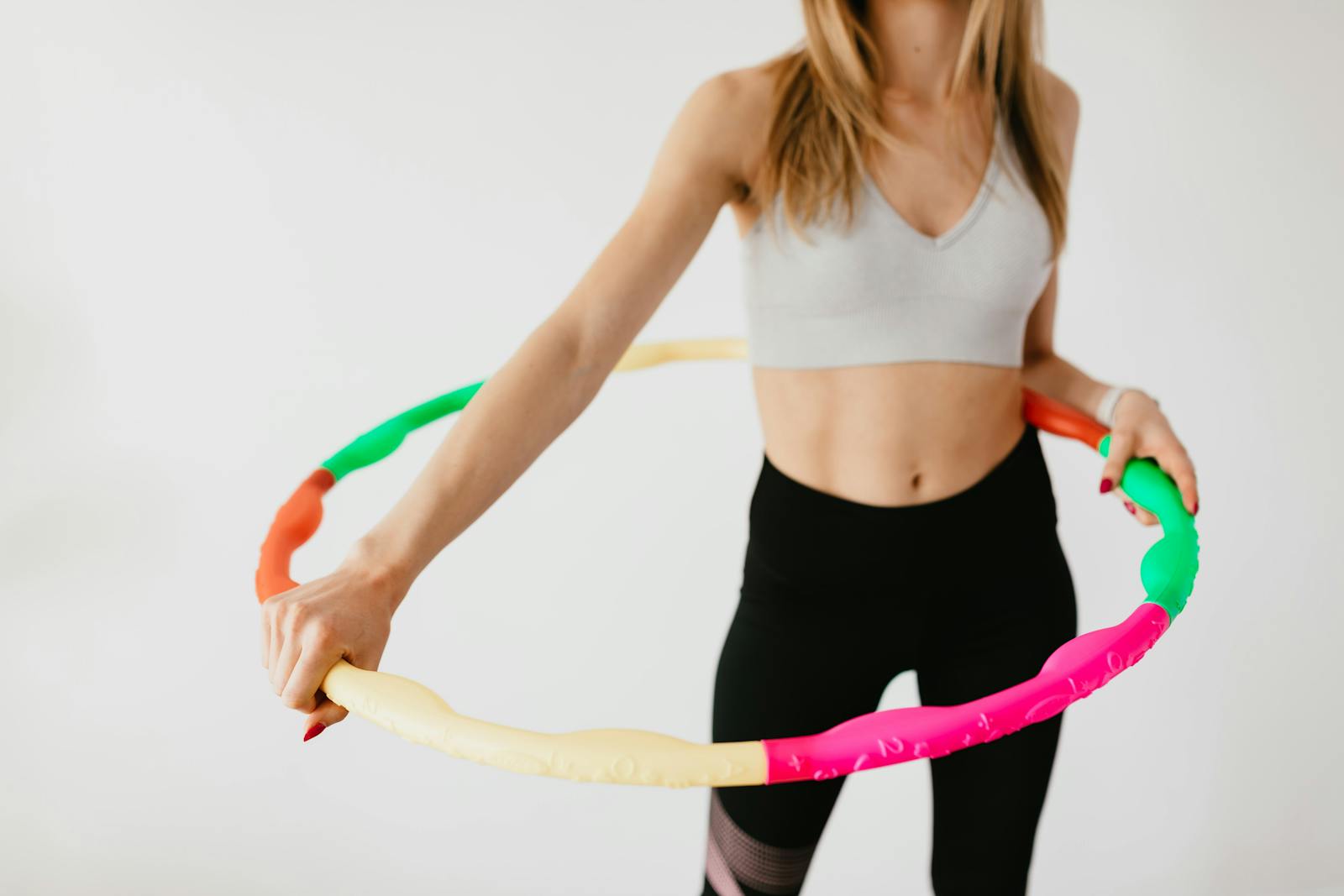
Rest days are useful.
Training breaks the body down; recovery helps it rebuild. Try to avoid treating rest days as wasted time. Light walks, gentle mobility sessions, and relaxed stretching can keep the body moving without adding unnecessary strain.
Signals matter.
Normal training soreness is common, especially after a new workout, but sharp pain or discomfort that changes your movement should not be ignored. Adjust intensity, reduce volume, or take extra rest when needed.
Warm up with mobility.
Dynamic movements such as hip circles, arm swings, bodyweight squats, and light band work can help prepare your joints and muscles before strength training.
Cool down with control.
After training, slower stretches and soft tissue work may help you cool down and shift into recovery. A few focused minutes can support better movement and long-term consistency.
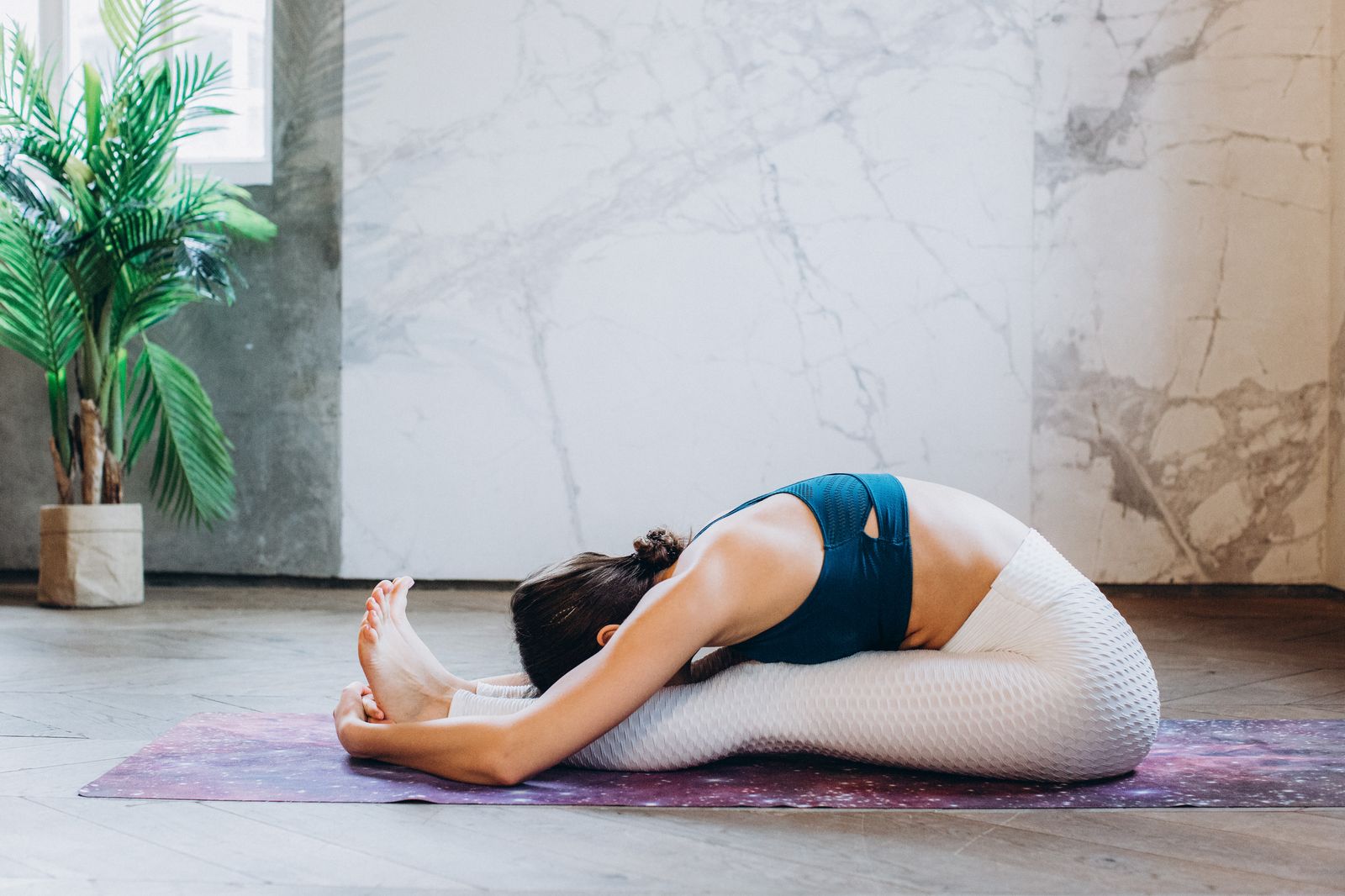
A routine works when it fits real life.
Keep your tools easy to access and your routine simple. A few focused minutes each day can support better movement, better comfort, and better long-term training consistency.
Show up stronger for the next workout.
Explore Fitvora recovery tools, mobility essentials, and training gear designed to support balanced daily routines.